
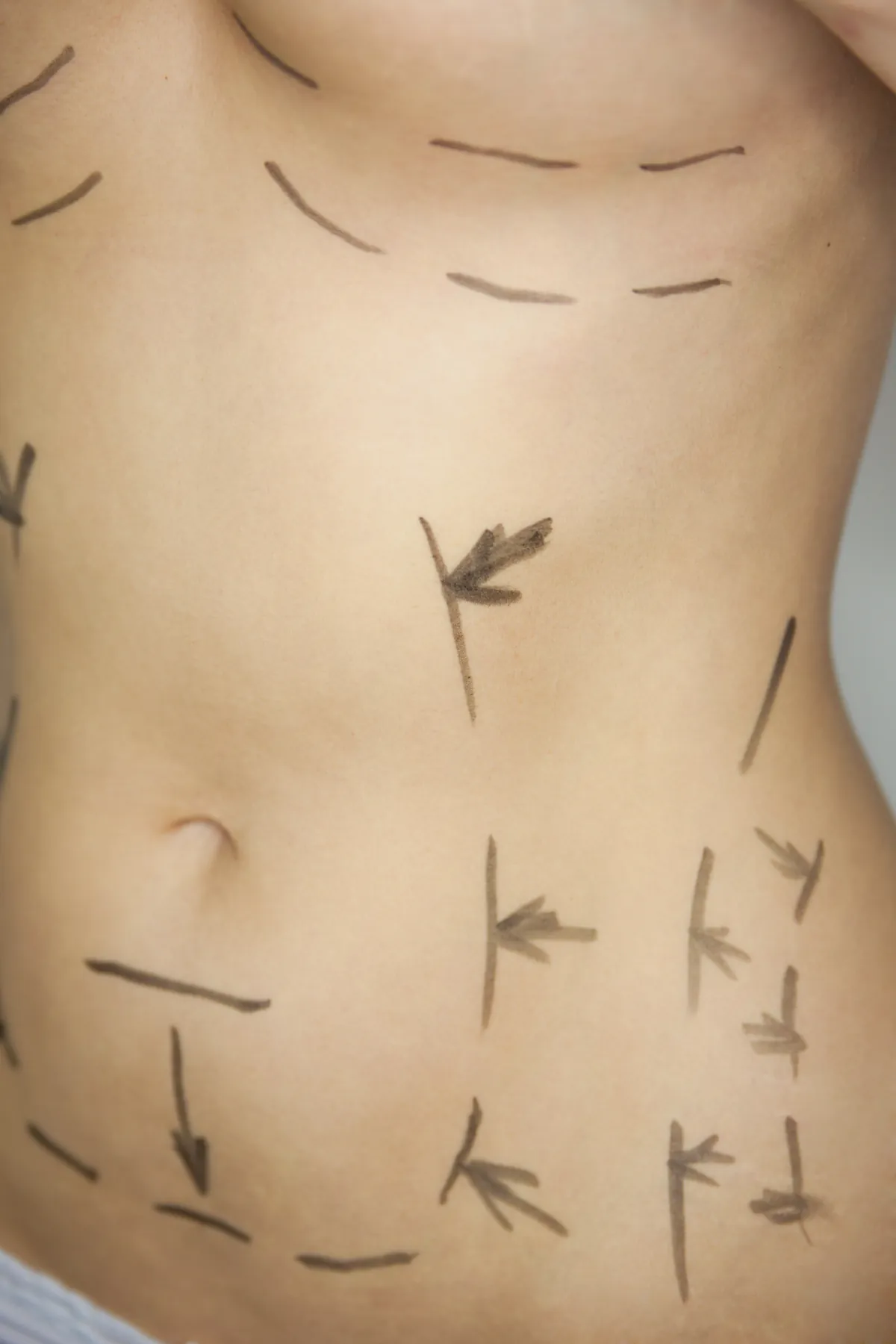
Many women know the feeling: the upper body is slim, while the hips and legs remain full – despite exercise and a conscious diet. Behind this may be a normal, genetically determined fat distribution. Or lipedema.
The differences at a glance
A genetically determined fat distribution is painless and responds, albeit slowly, to changes in weight. Lipedema, on the other hand, is a disease of the fatty tissue with typical accompanying symptoms:
- pain on pressure and feelings of tension in the affected tissue
- bruising easily
- a feeling of heaviness in the legs that increases over the course of the day
- symmetrical distribution; hands and feet usually remain slim
- diet and exercise have hardly any effect on the affected regions
Why the diagnosis is so important
Both situations are treated with liposuction – but with different objectives and different rules on coverage of costs. In lipedema, the focus is on relieving symptoms; in aesthetic liposuction, it is on the contour.
What liposuction can achieve
Liposuction is the only effective method for removing diseased fatty tissue in lipedema. In aesthetic liposuction, it serves to improve the body contour over the long term – in neither case is it suitable for weight reduction.
You can find more about the procedure and approach on the lipedema and liposuction pages.
If you are unsure whether you have lipedema, have it assessed by a doctor – ideally before you consider surgery.